
Cosmetic Dentistry Vs General Dentistry – How They Differ and Why It Matters

Dentistry helps people keep their teeth and gums healthy. It also improves the way their teeth look. Many people do not know the difference between cosmetic dentistry and general dentistry. Both focus on oral health, but they have different purposes. Knowing how they differ helps people choose the right treatment. Some people need solutions for dental issues, while others want a better-looking smile. What Is General Dentistry? General dentistry helps prevent and treat dental problems. General dentists check for cavities, infections, and gum disease. They also fix damaged teeth. Their goal is to maintain strong and healthy teeth. Common General Dentistry Services Check-ups and Cleanings – Dentists check for cavities and gum problems. They also remove plaque and tartar. Fillings – Dentists remove decayed parts of teeth and fill the space. This prevents further damage. Root Canal Treatment – Dentists remove infected tissue from inside a tooth. This saves the tooth from extraction. Many people ask, how much is it for root canal treatment? The cost depends on the clinic and the tooth’s condition. Tooth Extractions – Dentists remove badly damaged or infected teeth. Gum Disease Treatment – Dentists clean below the gumline to stop infections. What Is Cosmetic Dentistry? Cosmetic dentistry improves the appearance of teeth and gums. It makes teeth look whiter, straighter, and more even. Some treatments also protect teeth from further damage. Common Cosmetic Dentistry Services Teeth Whitening – Whitening treatments remove stains and brighten teeth. Enlighten teeth whitening gives long-lasting results. Natural Looking Veneers – Veneers cover imperfections like chips, discolouration, and gaps. Natural-looking veneers blend with existing teeth for a flawless appearance. Smile Makeover – A smile makeover includes several cosmetic treatments. It improves the colour, shape, and alignment of teeth. Dental Bonding – A tooth-coloured material fixes small cracks, chips, or gaps. Braces and Aligners – These treatments straighten teeth and improve alignment. Key Differences Between General and Cosmetic Dentistry General dentistry focuses on keeping teeth and gums healthy. Cosmetic dentistry improves the way teeth look. Both are important for a confident smile. Feature General Dentistry Cosmetic Dentistry Main Purpose Prevents and treats dental problems Improves the look of teeth Common Treatments Fillings, root canals, extractions Whitening, veneers, bonding Focus Area Health and function Aesthetics and confidence Pain Level Some treatments may cause mild discomfort Some procedures involve little or no pain Time Required Most treatments take one or two visits Some treatments take multiple visits for the best results Durability Restorations like fillings and crowns last many years Cosmetic treatments like whitening may need touch-ups Cost Usually covered by insurance, making it more affordable Often not covered by insurance, so costs can be higher Who Needs It? People with cavities, gum disease, or pain People who want a better-looking smile Results Restores function and health of teeth Enhances the appearance of teeth Why the Difference Matters People need to know which type of dentist to visit. This helps them get the right treatment at the right time. When to Visit a General Dentist If you have a toothache or sensitivity If you need a routine check-up or cleaning If you have a cavity that needs a filling If you have gum disease and need treatment If you need a root canal or extraction When to Visit a Cosmetic Dentist If you want whiter teeth If you have stained, chipped, or uneven teeth If you need natural-looking veneers for a better smile If you want straighter teeth without braces If you need a smile makeover Final Thoughts General and cosmetic dentistry both improve oral health. General dentistry focuses on keeping teeth strong. Cosmetic dentistry makes them look better. People with dental issues should visit a general dentist. Those who want a better-looking smile should see a cosmetic dentist. Treatments like Enlighten teeth whitening and natural-looking veneers help improve confidence. If you wonder how much it is for root canal treatment, consult a dentist for details. Choosing the providence dental for right dental treatment to keep your teeth healthy and attractive. FAQs Q. Can I get a root canal and a cosmetic treatment at the same place? Yes, many dentists offer both services. Some focus on general dentistry, while others specialise in cosmetic procedures. Q. How much is it for root canal treatment? The cost depends on the clinic, the tooth’s condition, and the location. Some treatments cost more if the infection is severe. Q. Does Enlighten teeth whitening last long? Yes, Enlighten teeth whitening gives long-lasting results. The effects stay longer if you avoid staining foods and drinks. Q. Are natural-looking veneers better than teeth whitening? It depends on your needs. Natural-looking veneers cover stains and damage. Whitening removes stains but does not fix chips or cracks. Q. Can a smile makeover fix all cosmetic issues? A smile makeover can include different treatments. Dentists choose treatments based on the patient’s needs. Q. Do cosmetic dental treatments damage natural teeth? No, most cosmetic treatments are safe and do not harm natural teeth. Some procedures, like veneers, require slight enamel removal, but dentists ensure minimal impact. Q. Is cosmetic dentistry only for celebrities? No, cosmetic dentistry is for anyone who wants to improve their smile. Many treatments, like whitening and bonding, are affordable and accessible to everyone.
Dentures Explained: Types, Benefits, and Care Tips
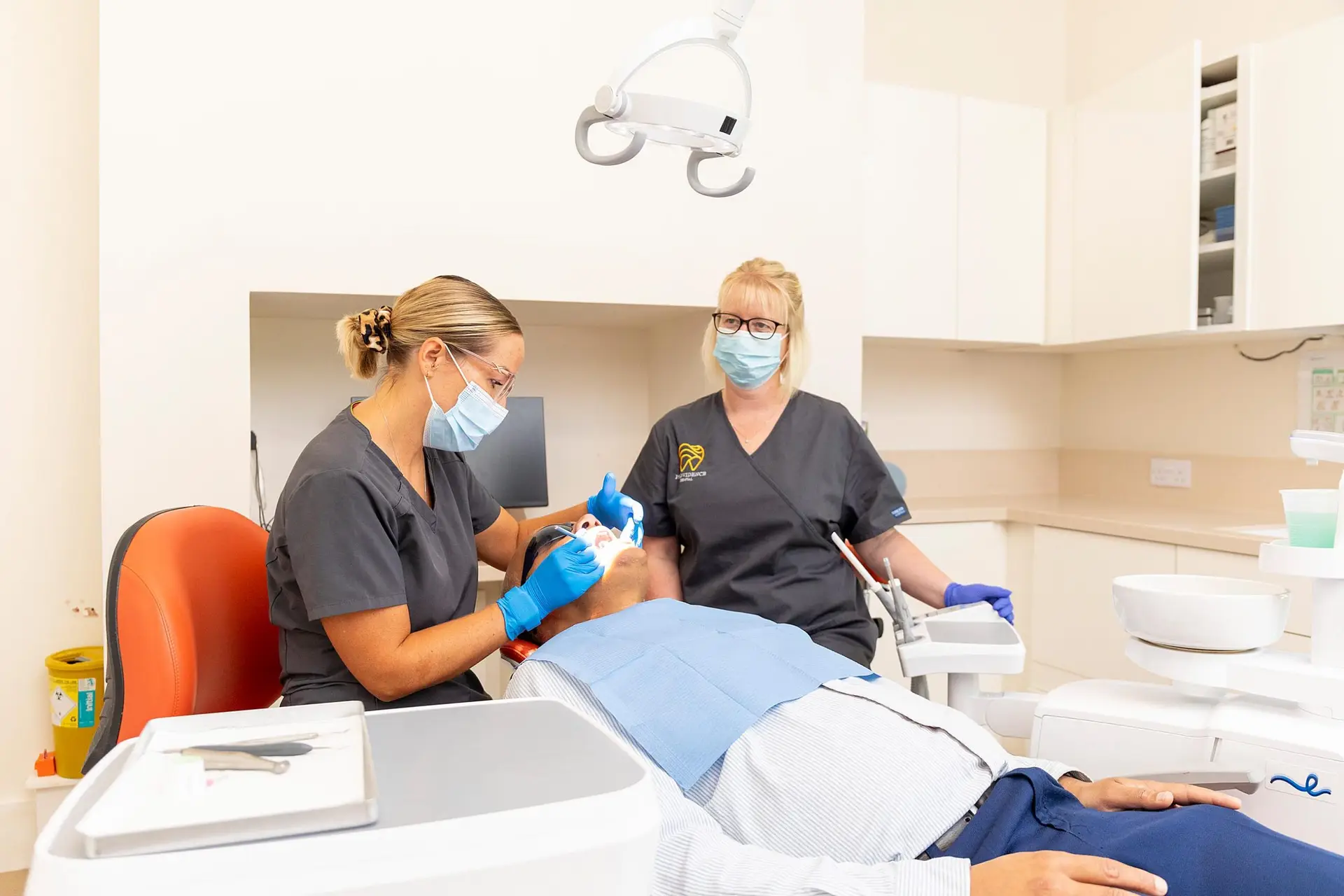
Many people feel unsure about dentures for missing teeth. They worry about comfort, durability, and daily maintenance. Learning about different types of dentures and proper care helps people make informed decisions. Providence Dental Practice has served the Folkestone community for over 50 years. The team provides expert care and ensures patients receive the best dentures solution. Clear guidance and support make the process easier. With professional care at Providence Dental Practice, patients enjoy comfortable, well-fitted dentures for a confident smile. Understanding the Different Types of Dentures for Missing Teeth Dentures replace missing teeth and improve oral function. They come in different types, each designed for specific needs. Full dentures replace all teeth in the upper or lower jaw. Partial dentures fill gaps when some natural teeth remain. Flexible dentures provide a softer alternative to traditional options. Implant-supported dentures attach to metal posts in the jawbone. Temporary dentures offer a short-term solution before permanent ones are ready. Each type of denture serves a purpose. A dentist will suggest the best option based on your oral health. Some dentures need adhesive, while others stay in place naturally. Proper care helps dentures last longer. Cleaning them daily and handling them gently prevents damage. Understanding these options helps you make an informed choice. Dentures improve chewing, speech, and appearance, making them a good solution for those with missing teeth. How Partial Dentures Help Restore Your Smile and Confidence Partial dentures replace missing teeth while keeping the remaining natural ones in place. They prevent teeth from shifting, which helps maintain alignment. A dentist custom-makes them to fit comfortably. They attach to the natural teeth with clasps or precision attachments. Benefits of Partial Dentures Improve chewing by filling gaps Support facial structure to avoid sagging Allow easy removal for cleaning Caring for Partial Dentures Soak them overnight in a denture solution Brush them daily with a denture-friendly cleaner Avoid using regular toothpaste, which can cause scratches Partial dentures provide a simple way to restore a full smile. They help with clear speech and comfortable eating. Regular check-ups ensure a proper fit. Taking care of them keeps them in good shape for years. Why Flexible Dentures Are a Comfortable Alternative to Traditional Options Flexible dentures use lightweight, bendable materials. They adjust to the shape of the mouth, making them more comfortable. Unlike traditional rigid dentures, they do not require metal clasps. They fit snugly and look more natural. Flexible dentures work well for people with sensitive gums. Their soft material reduces irritation. They are less likely to break if dropped. Many prefer them because they feel lighter in the mouth. However, they may not be suitable for everyone. A dentist will check if they are the right choice. Cleaning flexible dentures is easy. A gentle denture cleaner removes buildup. Brushing with a soft brush helps maintain their condition. Soaking them overnight keeps them fresh. Regular care helps them last longer. Flexible dentures offer a comfortable way to replace missing teeth. Choosing the Right Denture Cleaner for Long-Lasting Freshness A denture cleaner removes stains, bacteria, and odours. Using the right cleaner keeps dental hygiene upright. Regular toothpaste can damage dentures. Special denture cleansers work better. Types of Denture Cleaners Effervescent tablets dissolve in water to clean dentures Denture pastes remove stains without scratching Ultrasonic cleaners use vibrations to clean hard-to-reach areas How to Use a Denture Cleaner Properly Soak dentures in the solution for the recommended time Brush them gently to remove leftover debris Rinse thoroughly before wearing them again How to Care for Different Types of Dentures to Keep Them in Good Condition Each type of denture needs proper care. Full and partial dentures require daily cleaning. Flexible dentures need gentle handling. Implant-supported dentures need extra attention around the metal posts. Basic Denture Care Routine Remove and rinse dentures after meals Use a denture cleaner instead of regular toothpaste Soak them overnight in a recommended solution Denture Cleaner Tips for Maintaining Hygiene and Freshness A denture cleaner helps remove bacteria and stains. Using it daily keeps dentures clean and fresh. Choosing the Right Denture Cleaner Look for Non-Abrasive Formulas – Prevents surface damage Avoid Harsh Chemicals – Protects denture material Use Dentist-Recommended Products – Ensures safety Cleaning Routine for Dentures Soak Daily – Removes buildup and odours Brush with a Soft Brush – Keeps the surface smooth Rinse Thoroughly – Prevents irritation Conclusion Choosing the right dentures helps improve oral health and confidence. Taking care of them every day keeps them comfortable and strong. Full, partial, and flexible dentures work in different ways. A dentist can check your teeth and suggest the best option. Visit Providence Dental Practice for expert advice. Book an appointment today to get the right dentures for your needs. Frequently Asked Questions Q. What are the types of dentures? Full dentures replace all teeth. Partial dentures fill gaps. Flexible dentures fit softly. Implant-supported dentures attach to metal posts. Q. How do I clean my dentures? Use a denture cleaner instead of normal toothpaste, brush gently with a soft brush, soak them overnight, and rinse them well before wearing them again to keep them fresh. Q. Are flexible dentures better? Flexible dentures are lighter, fit better, and do not break easily. They are good for sensitive gums but may not suit everyone. A dentist can help decide. Q. How long do dentures last? Dentures usually last 5-10 years with good care. Cleaning them daily, avoiding strong chemicals, and visiting the dentist help keep them in good shape. Q. Can I eat with dentures? Yes, but it takes time to get used to them. Start with soft food, chew slowly, and avoid very hard or sticky food for better comfort.
Are Dental Implants Safe? Everything You Need to Know

Many people worry about the safety of dental implants. They have concerns about durability, risks, and long-term effects. Understanding how implants work and their benefits helps people feel more confident about treatment. Providence Dental Practice has served the Folkestone community for over 50 years. The team provides expert care and ensures safe dental implant procedures. Patients receive clear guidance and support throughout their treatment. This blog explains important details about dental implant safety. It covers success rates, expert opinions, and the benefits of implant-retained dentures. Many people struggle with lower dentures that move and cause discomfort. Implant dentures offer a more secure and stable alternative. With professional care at Providence Dental Practice, patients receive safe treatment and long-lasting results. What Are Dental Implants? Dental implants replace missing teeth with artificial roots made from titanium. A dentist places the implant into the jawbone. Over time, the bone grows around the implant and holds it firmly in place. This process is called osseointegration. It makes the implant strong and stable. Dentists attach crowns, bridges, or implant dentures to the implant. These replacements work like natural teeth. People can eat, speak, and smile without worry. Unlike traditional dentures, implants do not shift or cause soreness. They also prevent bone loss in the jaw. With good care, dental implants last many years and improve oral health. How Implant Retained Dentures Improve Stability and Comfort? Dental implant-retained dentures offer a strong and stable fit. They attach to titanium implants surgically placed in the jawbone. Traditional dentures often slip or shift, making daily activities uncomfortable. Implant-retained dentures eliminate this issue. Unlike traditional dentures, they do not rely on adhesives or suction for support. This provides several benefits. Prevents Slipping – Fixed in place, reducing movement Enhances Chewing Ability – Feels more natural while eating Reduces Gum Irritation – No friction, lowering the risk of sores Supports Jawbone Health – Helps prevent bone shrinkage Boosts Confidence – Patients feel more secure while talking and smiling Why Lower Dentures Often Cause Discomfort and How Implants Help? Lower dentures rest on the gumline and rely on suction or adhesives to stay in place. Many people experience discomfort because they move while eating or speaking. The lower jaw moves more than the upper jaw, making dentures less stable. This can cause sore spots, difficulty chewing, and a lack of confidence. Implants provide a stable base for lower dentures. They anchor the denture in place, reducing movement. With implants, patients no longer rely on adhesives or suction. The firm hold allows for better chewing ability and prevents gum irritation. Bone loss is another issue with lower dentures. Implants stimulate the jawbone, preventing shrinkage. Many patients feel relief after switching to implant-supported lower dentures. They can eat a wider variety of foods without worry. What Makes a Dental Implant Safe for Long-Term Use? Dental implants undergo strict testing to ensure they are safe. They consist of biocompatible titanium, which fuses with the jawbone. This makes them strong and long-lasting. The key factors that make implants safe include: Material Strength – Titanium resists wear and does not cause reactions Bone Integration – Implants bond with the jawbone, making them stable Proper Placement – Skilled professionals ensure correct positioning Good Oral Hygiene – Regular care helps prevent infections Professional Monitoring – Dentists check for any issues over time Success Rates of Dental Implants and Implant Dentures in Long-Term Studies Studies show that dental implants have a high success rate. Most implants last over 20 years with good oral hygiene. The body accepts titanium implants well, reducing failure risks. Success depends on proper placement and post-care. Patients with healthy gums and strong jawbones have better outcomes. Implant dentures also show high success rates. They stay in place, reducing discomfort and improving function. Regular dental visits ensure that implants remain in good condition. Studies confirm their long-term safety and reliability. Many patients experience improved confidence and oral health after the procedure. What Experts Say About the Safety of Implant Retained Dentures? Dental professionals consider implant-retained dentures a safe and effective option. They highlight benefits like stability, reduced bone loss, and improved comfort. Experts recommend them for patients struggling with traditional dentures. Research supports their long-term safety. Experts advise maintaining good oral hygiene to prevent infections. Regular dental check-ups ensure implants stay in good condition. Many professionals believe dental implants provide the most natural tooth replacement. They improve chewing ability and prevent jawbone deterioration. Patients who follow post-care instructions experience better results. Experts continue to refine techniques, making implants even safer. Conclusion Choosing dental implants can improve comfort, stability, and long-term oral health. At Providence Dental Practice, we use safe and advanced techniques to provide reliable treatment. Our experienced team offers personalised care to ensure the best results. We are committed to helping you achieve a strong and confident smile. Book your consultation today. FAQs Q. Are dental implants safe for all people? Dental implants are safe for most people with healthy gums. People with gum disease or weak bones may need extra treatment before getting implants. Q. What problems can happen with dental implants? Some people may get infections or have implant failure. A skilled dentist and proper care help lower these risks and keep implants strong. Q. How many years do dental implants last? Dental implants last over 20 years with good care. Regular dental visits and daily cleaning keep them in good condition. Q. Do implant dentures stay in place? Yes, implant dentures stay fixed and do not move. They help people chew better and stop discomfort from loose dentures. Q. Do dental implants stop bone loss? Yes, dental implants keep the jawbone strong. They prevent bone shrinkage and help maintain a healthy mouth.
7 Signs You Need to Visit an Emergency Dentist in Folkestone

Dental emergencies can occur unexpectedly and require immediate professional attention. At Providence Dental Practice, with over 50 years of serving the Folkestone community, we understand the importance of prompt emergency dental care. Knowing when to seek emergency treatment can make the difference between saving and losing a tooth. Here are seven critical signs that indicate you need immediate dental attention. Severe Toothache A severe toothache that suddenly develops or persistently worsens can indicate serious underlying issues. This pain might be accompanied by pressure sensitivity, throbbing, or sharp sensations. While mild tooth discomfort can sometimes wait for a regular appointment, intense pain requires immediate attention. The pain could signal an abscess, severe decay, or infection that needs urgent dental care. Broken Tooth A broken tooth requires immediate attention, especially if the break is significant or causes pain. Whether from an accident, sports injury, or biting something hard, tooth fractures can expose sensitive inner layers, leading to infection if not treated promptly. Our emergency dental team can evaluate the damage and recommend appropriate treatment, from composite bonding to crown placement. Excessive Bleeding Gums While minor gum bleeding during brushing might be common, excessive bleeding gums that won’t stop require emergency attention. Uncontrolled bleeding could indicate serious gum disease, injury, or other health conditions. If you experience persistent bleeding accompanied by pain or swelling, don’t wait to seek treatment.The Folkestone gum clinic team at Providence Dental can help identify the cause and provide the right treatment. Gum Swelling Significant gum swelling can indicate a serious infection or abscess. This swelling might be accompanied by pain, fever, or a bad taste in your mouth. Without prompt treatment, dental infections can spread to other parts of your body, potentially becoming life-threatening. Our emergency dental services in Folkestone can address the underlying cause and prevent complications. Missing Crown A missing crown leaves your tooth vulnerable to damage and decay. If you lose a crown, it’s important to seek emergency dental care to protect the underlying tooth structure. While waiting for treatment, keep the area clean and avoid chewing on that side of your mouth. Facial Swelling and Trauma Severe facial swelling with pain requires immediate dentist emergency treatment. This could indicate a serious infection or injury that needs urgent attention. If you experience sudden swelling, especially if it affects your breathing or swallowing, seek immediate care. Quick intervention can prevent the spread of infection and more serious complications. Knocked-Out Tooth If a tooth gets completely knocked out, time is critical. While preserving the tooth in milk or saliva, seek emergency dental care immediately. With prompt professional attention within the first hour, there’s a chance to save and re-implant the tooth successfully. Store the tooth carefully and avoid touching the root portion while seeking immediate treatment from our Folkestone dental team. Remember, when experiencing any of these seven signs, don’t wait to seek treatment. Delayed care can lead to more serious complications and potentially more extensive and costly treatments. Contact Providence Dental Practice immediately if you experience any dental emergency. Our experienced team is here to help restore your oral health and relieve your pain as quickly as possible. Why Choose Providence Dental? At Providence Dental Practice, we understand that dental emergencies can be stressful and frightening. Our dedicated team is committed to providing prompt, effective emergency dental care to our Folkestone community. We maintain time slots specifically for emergency cases, ensuring we can accommodate urgent dental needs quickly. Our modern facility is equipped with the latest dental technology, allowing us to diagnose and treat emergency cases efficiently. Whether you’re a regular patient or new to our clinic, we provide the same high level of emergency care to everyone who needs it. We also believe in the importance of follow-up care after emergency treatment. Our team will provide detailed aftercare instructions and schedule any necessary follow-up appointments to ensure proper healing and prevent future emergencies. For emergency dental situations during office hours, call our practice immediately. We’ll provide guidance on immediate steps to take and arrange to see you as soon as possible. Your oral health is our priority, and we’re here to help when you need us most. Frequently Asked Questions Q: How can I manage dental pain before seeing an emergency dentist? A: While waiting for your emergency appointment: ● Rinse with warm salt water ● Apply a cold compress to reduce swelling ● Take over-the-counter pain relievers as directed ● Avoid extremely hot or cold foods ● Keep the area clean Q: How soon should I seek emergency dental care for a severe toothache? A: Contact us immediately if you experience severe tooth pain, especially if accompanied by swelling or fever. The sooner you receive urgent dental care, the better the outcome is likely to be. Q: What should I do if I have uncontrollable bleeding from the mouth? A: Apply direct pressure with a clean gauze or cloth. If bleeding doesn’t slow within 15 minutes, seek immediate emergency care. Persistent bleeding could indicate a serious condition requiring urgent attention. Q: How can I prevent dental emergencies? A: To minimize the risk of dental emergencies: ● Wear a mouth guard during sports activities ● Avoid chewing ice, hard sweets, or other hard objects ● Maintain regular dental check-ups ● Address dental issues promptly before they become emergencies ● Practice good oral hygiene Q:how soon should a dentist see you in an emergency? A: You should be seen as soon as possible — ideally immediately or within the same hour in cases like a knocked-out tooth or uncontrolled bleeding. Providence Dental reserves time slots specifically for emergency cases to ensure prompt care. Q:What should I do before reaching the emergency dentist? A: These first-aid steps can help manage pain or bleeding until professional care: ● Apply a cold compress to reduce swelling ● Take over-the-counter pain relief (following directions) ● Use clean gauze or cloth to apply pressure if there’s bleeding ● Avoid very hot or cold foods ●Try not to chew on the
Top 10 Common Dental Problems and Expert Tips to Prevent Them

Let’s face it – nobody wants dental problems! But knowing what to watch out for can save you a lot of hassle and pain down the road. Here at Providence Dental Practice, we’ve pretty much seen it all when it comes to teeth troubles. Whether you’re dealing with a toothache or just want to keep your pearly whites in top shape, we’ve got you covered. Here’s our rundown of the top 10 dental problems you might face, plus some handy tips to help you avoid them. Tooth Decay A prevalent dental issue affecting people of all ages, tooth decay occurs when bacteria in your mouth produce acids that erode tooth enamel. It is also known as dental caries or dental cavities. Prevention requires regular brushing, flossing, and limiting sugary foods. Our experienced dental team recommends using fluoride toothpaste and maintaining regular check-ups to catch decay early. Early signs include sensitivity, visible holes, or dark spots on teeth. Gum Disease Gum disease, or Periodontal Disease begins with gingivitis and can progress to more serious periodontal conditions if left untreated. Signs include bleeding gums, bad breath, and gum recession. Prevention involves thorough daily oral hygiene practices and professional cleanings. Regular screenings can help detect early signs before they develop into more serious conditions. Tooth Sensitivity Your teeth become sensitive to hot and cold foods and drinks when the enamel is worn away and the dentin is exposed. The dentin has tubes that lead to the nerve deeper inside the tooth. Hot or cold substances can travel along the tubes to the nerve and cause intense pain. Tooth sensitivity, also known as dentin hypersensitivity, can be caused by tooth decay. Using desensitising toothpaste and maintaining good oral hygiene can help manage this condition. Tooth Erosion Enamel or tooth erosion is a condition that develops very slowly and leaves teeth both discoloured and rounded-looking. Its primary cause is consuming plenty of sugary and acidic foods such as soda and sweets over a long period of time. A rare cause is brushing your teeth too often, too hard, and too long. We recommend cutting back on very sweet and acidic foods. Using toothbrushes with softer bristles helps, too. Regular dental check-ups can help monitor erosion levels and prevent further damage. Bad Breath Bad breath or halitosis is one of the most common dental problems. It is also among the most distressing. One or more of the foods you eat could also be the cause of your halitosis. Spices such as garlic and onion are common culprits. Persistent bad breath often indicates underlying dental issues. Regular professional cleanings, proper brushing technique, and tongue cleaning can help maintain fresh breath. Since the causes of bad breath are so varied, your dentist will do a complete assessment and prescribe a course of action that best suits your case. Cracked Teeth Cracked teeth can result from injury, grinding, or biting hard objects. Prevention includes wearing mouth guards during sports and avoiding chewing ice or hard sweets. Early detection and treatment are crucial to prevent further damage. Misaligned Teeth Misaligned teeth can affect both appearance and oral health. At Providence Dental, we offer various teeth straightening options to address this common concern. Modern orthodontic solutions can help achieve a straighter smile while maintaining comfort and aesthetics. Missing Teeth Missing teeth can impact your ability to eat and speak properly while affecting your confidence. We provide comprehensive solutions, including dental implants and bridges, to restore your smile. Early intervention can prevent additional complications like bone loss and shifting teeth. Oral Cancer Regular screenings for oral cancer are crucial for early detection. Our thorough dental examinations include oral cancer screening as standard practice. Early detection significantly improves treatment outcomes. Root Canal Infection The base or root of your tooth can become infected and swollen with bacteria. This most often happens because of cavities, cracks, or fractures in the tooth. Root infection can lead to damaged tissues and nerves of the tooth, and eventually to the development of abscesses. A root canal infection can cause severe pain and requires immediate attention. Regular check-ups help identify potential issues before they become severe. Modern root canal treatments are much more comfortable than in the past. Why Choose Providence Dental? At Providence Dental Practice, our experienced team of dental professionals is committed to helping you maintain optimal oral health. We provide comprehensive dental care in a welcoming environment, ensuring that each patient receives personalised attention and treatment. We understand that dental visits can be anxiety-inducing for some patients, which is why we’ve created a comfortable and relaxing atmosphere in our Folkestone town centre location. Our team takes the time to explain procedures and answer any questions you may have about your oral health. Prevention is always better than cure. By maintaining good oral hygiene habits and scheduling regular check-ups, you can avoid many common dental problems. If you’re experiencing any of these dental issues or are due for a check-up, contact Providence Dental Practice today to schedule an appointment with our caring team. Frequently Asked Questions Q: How often should I visit the dentist for check-ups? A: We recommend visiting Providence Dental every six months for routine check-ups and professional cleaning. However, some patients may need more frequent visits based on their oral health needs. Q: How can I prevent cavities? A: To prevent cavities: ● Brush twice daily with fluoride toothpaste ● Floss daily ● Maintain a balanced diet low in sugary foods ● Attend regular dental check-ups ● Consider preventive treatments like dental sealants Q: What’s the best way to brush my teeth? A: Use a soft-bristled brush at a 45-degree angle to your gums. Brush gently in circular motions for at least two minutes, ensuring you clean all surfaces of your teeth. Don’t forget to brush your tongue! Q: Are electric toothbrushes better than manual ones? A: Electric toothbrushes can be more effective at removing plaque, especially for people with limited mobility. However, proper technique matters more than the type of toothbrush
